
Best Budget Airlines in Europe: Compared
Ryanair, easyJet, Wizz Air, Vueling — each has different strengths, fee structures, and route networks. Here is how they compare.
🎯 Key Takeaways
Europe has some of the most competitive short-haul aviation markets in the world. Budget carriers operate thousands of routes between hundreds of airports, driving prices down to levels unimaginable twenty years ago. But they are not interchangeable. Understanding the differences helps you pick the right one — and avoid unexpected fees.
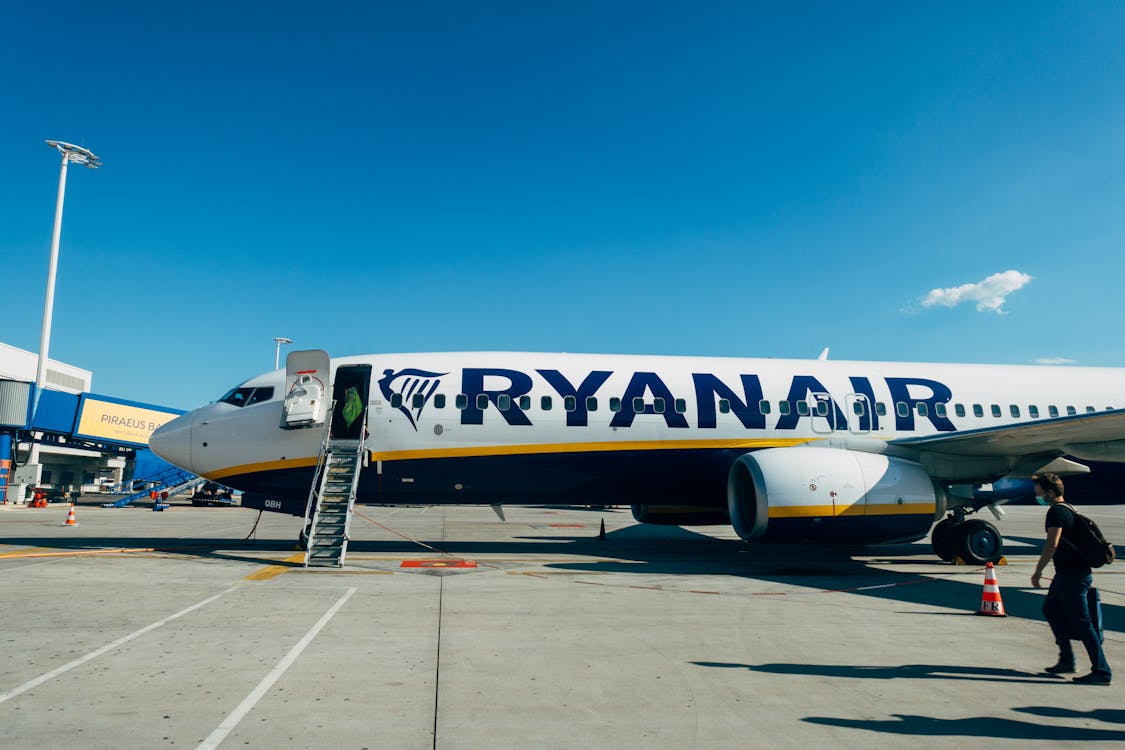
Ryanair
Europe's largest airline by passenger numbers operates an ultra-low-cost model with one of the strictest fee structures on the continent.
- Route network: 230+ airports across Europe, North Africa, and the Middle East. Strongest in Ireland, UK (Stansted, Bristol, Birmingham), Spain, Italy, and Poland.
- Baggage policy: cabin bag (40 x 20 x 25 cm, fits under the seat) is free. A larger carry-on requires a Priority boarding add-on (typically £6–12). Checked bags are priced per flight segment and can easily double the base fare if not pre-booked.
- Strengths: lowest base fares on many routes, extensive network, reliable on-time performance.
- Weaknesses: secondary airports, strict bag dimensions, expensive change fees.
easyJet
A slightly more passenger-friendly model than Ryanair, with a large presence at primary airports.
- Route network: Gatwick, Luton, Bristol, Manchester, Edinburgh, and Amsterdam Schiphol as key bases. Strong on Western European leisure routes.
- Baggage policy: one underseat cabin bag free. A standard overhead-sized cabin bag requires a fee. Hold luggage priced per segment.
- Strengths: primary airports, slightly more generous seat pitch than Ryanair on many aircraft, better customer service reputation.
- Weaknesses: fares often slightly higher than Ryanair on competing routes once extras are added.
Wizz Air
The dominant budget carrier in Central and Eastern Europe, expanding rapidly into Western markets.
- Route network: based in Budapest, Warsaw, Bucharest, and several other Central/Eastern European cities. Growing presence at Luton and Gatwick.
- Baggage policy: one small bag (40 x 30 x 20 cm) free. Larger bags and hold luggage priced per flight. Wizz Discount Club membership reduces base fares and baggage fees significantly.
- Strengths: very low fares on Eastern European routes, Wizz Discount Club saves regular travellers meaningful amounts.
- Weaknesses: less reliable on-time performance historically, limited routes from primary UK airports.
Vueling
The dominant budget carrier in Spain, operated as part of the IAG group (same parent as British Airways and Iberia).
- Route network: Barcelona El Prat as main hub. Extensive domestic Spanish network plus European routes. Good for Spain-specific itineraries.
- Baggage policy: one underseat bag free at the basic fare. Overhead bag and hold luggage priced separately.
- Strengths: strong Spanish domestic and intra-Iberian routes, connecting itineraries with Iberia.
- Weaknesses: less competitive on routes where Ryanair or easyJet also operate.
Transavia
KLM's budget subsidiary, strong in the Netherlands and France.
- Route network: Amsterdam Schiphol and Paris Orly as main bases. Good for travellers near those hubs.
- Baggage policy: one small bag free. Hold luggage priced per flight.
- Strengths: Amsterdam and Paris are major connection points, generally good punctuality.
- Weaknesses: limited UK departure points.
Which one should you choose?
The honest answer: whichever is cheapest for your specific route, with extras added in. Base fares can be misleading. Always calculate:
- Base fare
- Cabin bag fee (if needed)
- Seat selection (if you care where you sit)
- Hold luggage (if needed)
FairFares compares prices across carriers for each route and shows you the total including standard fees, so you are always comparing like with like.
Browse current deals on FairFares → to see which routes are priced below their 30-day median right now.
Share this article
By FairFares Team · Powered by ARAI
Ryanair vs easyJet vs Wizz Air: Who Is Actually Cheaper?
Comparing Europe's three biggest budget carriers purely on headline price misses the point. Once you add bags, seat selection, and check-in fees, the cheapest ticket often becomes the most expensive. Here is how to compare them properly.
29 June 2026
Budget Airline Survival Guide — Ryanair, Wizz Air & easyJet
Budget airlines in Europe are genuinely cheap — if you know the rules. A practical, honest guide to flying Ryanair, easyJet, and Wizz Air without getting burned by hidden fees, strict bag gauges, or missed check-in windows.
8 May 2026
Hidden Fees on Budget Airlines: What to Watch
The headline fare is rarely the full price. These are the fees that most commonly catch travellers out — and how to avoid them.
28 April 2026